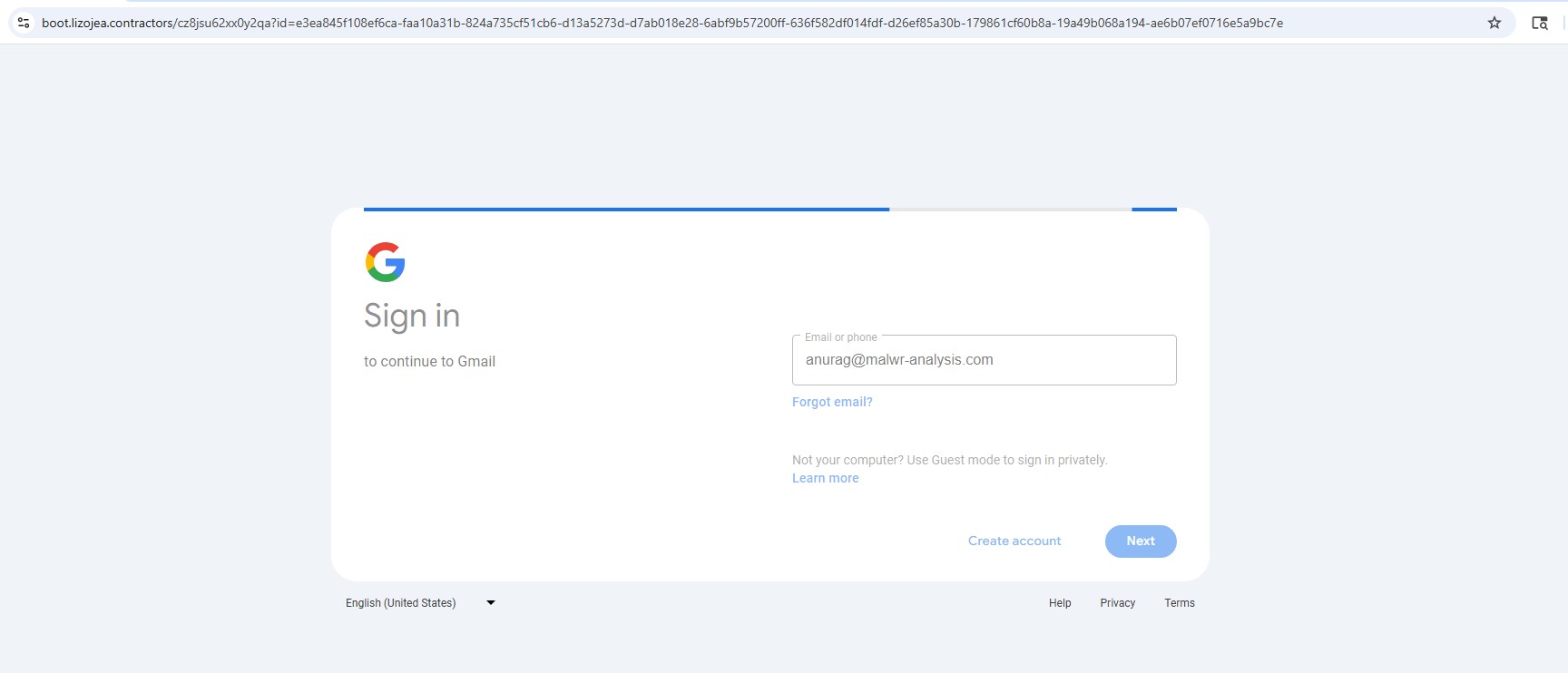
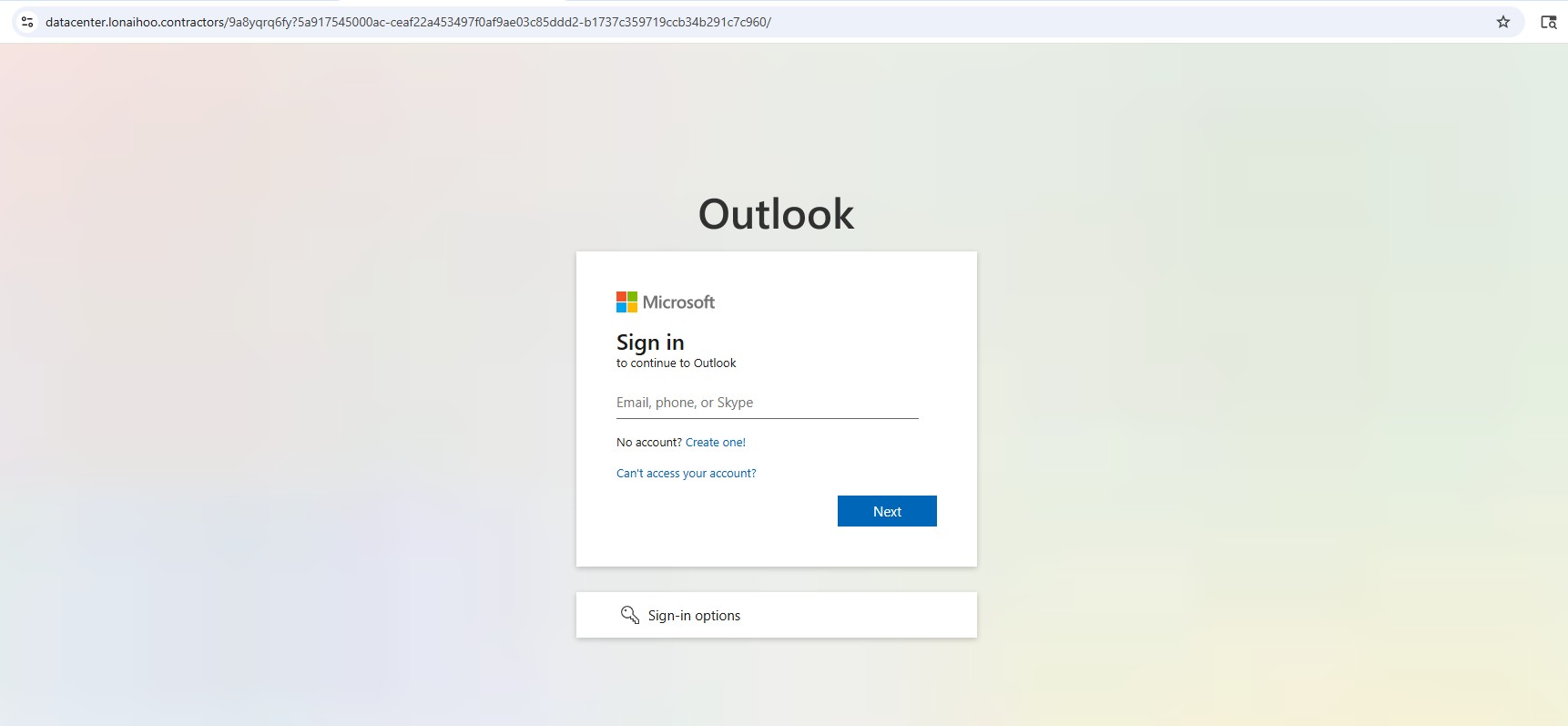
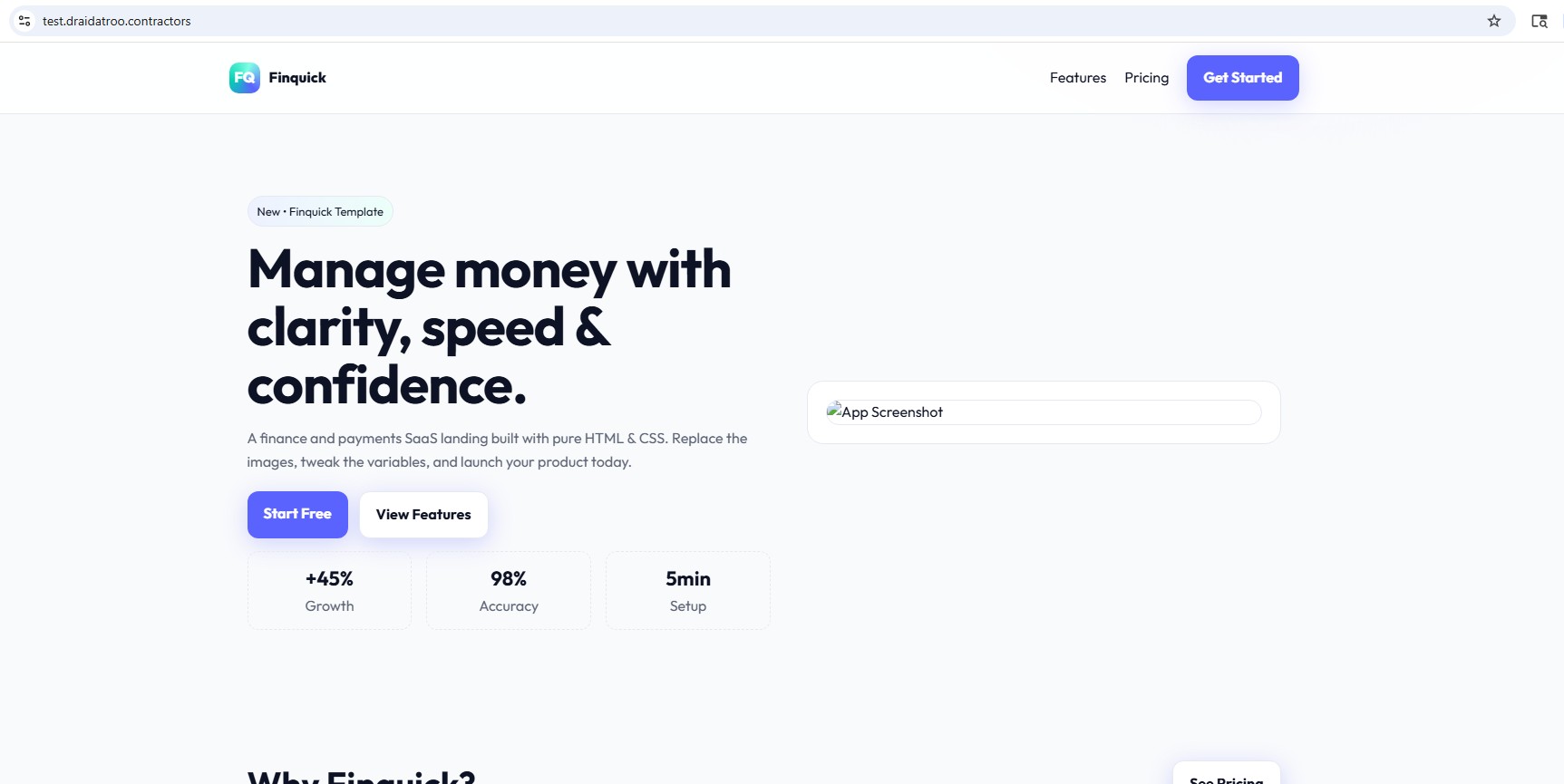
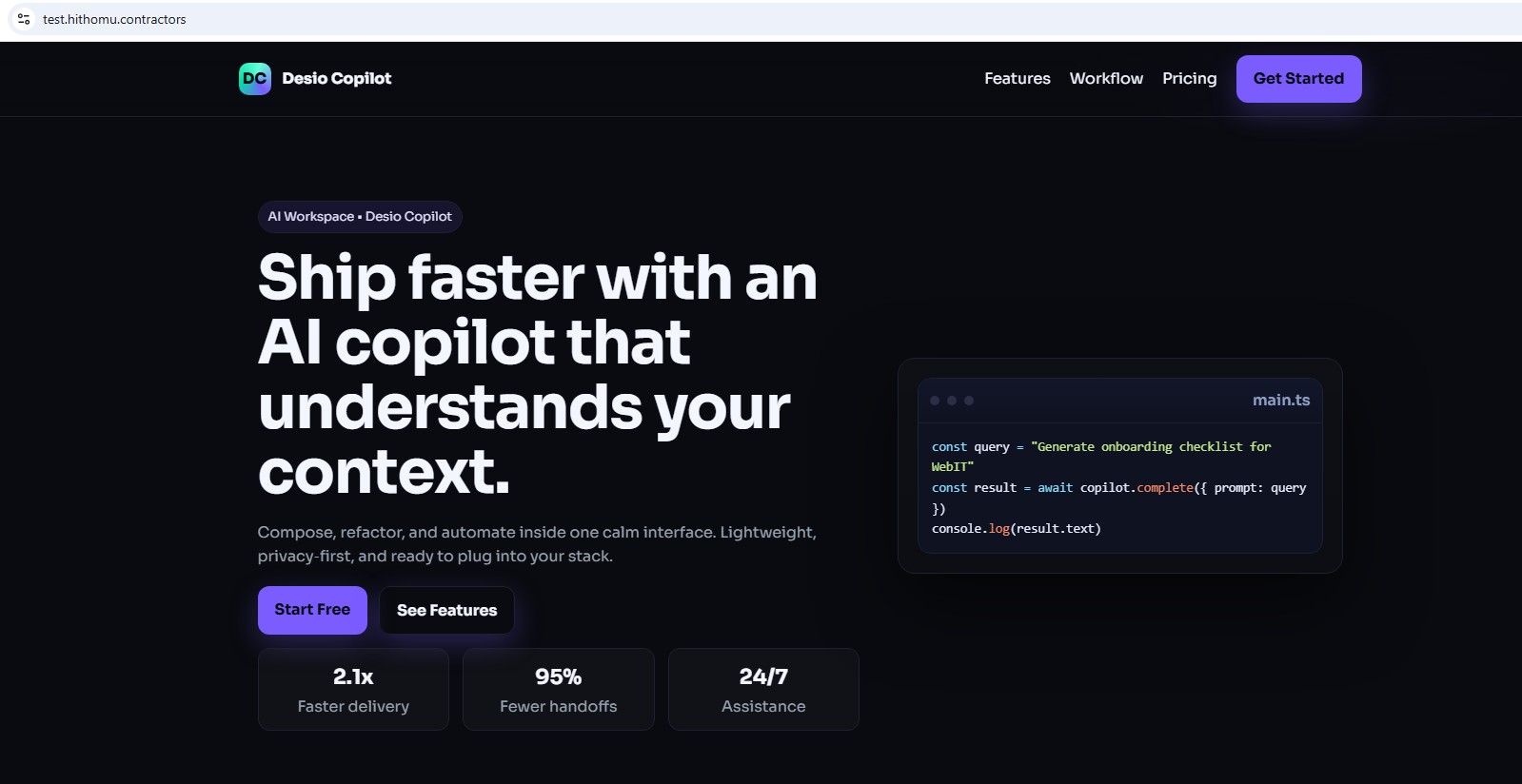
Analysis of a Fake Cloudflare Turnstile Used as a Traffic Filtering Gate

Overview

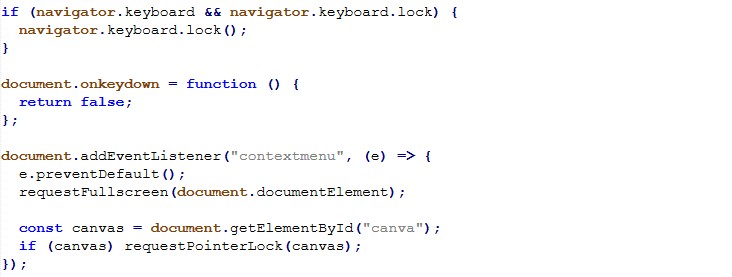
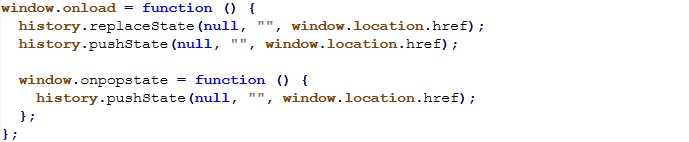
During analysis of a phishing URL chain, I observed a fake Cloudflare Turnstile verification page acting as an intelligent traffic filtering gate. Rather than protecting a website, this page selectively blocks, redirects, or allows access based on geolocation, proxy usage, and browser fingerprinting.

This phishing infrastructure demonstrates Traffic Distribution System like behavior commonly used in modern phishing and scam operations to evade security researchers, sandboxes, and automated crawlers while delivering payloads only to high-confidence victims.

Redirection Chain

The Cloudflare page is not legitimate and does not load any official Turnstile JavaScript. Instead, it is a static imitation combined with heavy client side fingerprinting.

Fake Cloudflare Verification Page

The landing page is designed to closely mimic a legitimate Cloudflare interstitial, creating a false sense of trust for the victim. It displays the French language title “Un instant…“, along with Cloudflare style branding and logos to appear authentic. A fake human verification checkbox labeled “Vérifiez que vous êtes humain” is presented, imitating Cloudflare’s Turnstile challenge, despite performing no real validation. The page also shows a fabricated Ray ID, a detail commonly associated with genuine Cloudflare error or verification pages. To further reinforce legitimacy, the attackers include links pointing to real Cloudflare policy and documentation pages, a tactic intended to reduce suspicion and bypass casual scrutiny by users and automated scanners alike.

However, no real Turnstile challenge exists. All logic is client side JavaScript + server side decision APIs, not Cloudflare infrastructure.

Browser Fingerprinting & Bot Detection

Once the page loads, the script silently collects a detailed browser fingerprint, including:

  • navigator.userAgent
  • navigator.webdriver (Selenium / automation detection)
  • Headless browser indicators
  • Plugin count and language settings
  • WebGL vendor and renderer (VM / sandbox detection)
  • LocalStorage and SessionStorage availability
  • Timezone information
  • Honeypot fields (website, email-confirm) to detect autofill bots

All of this data is packaged and exfiltrated to backend endpoints such as:

/_internal/base/validation/collect_info.php
/_internal/api/dashboard.php

Geo Blocking and Proxy Detection

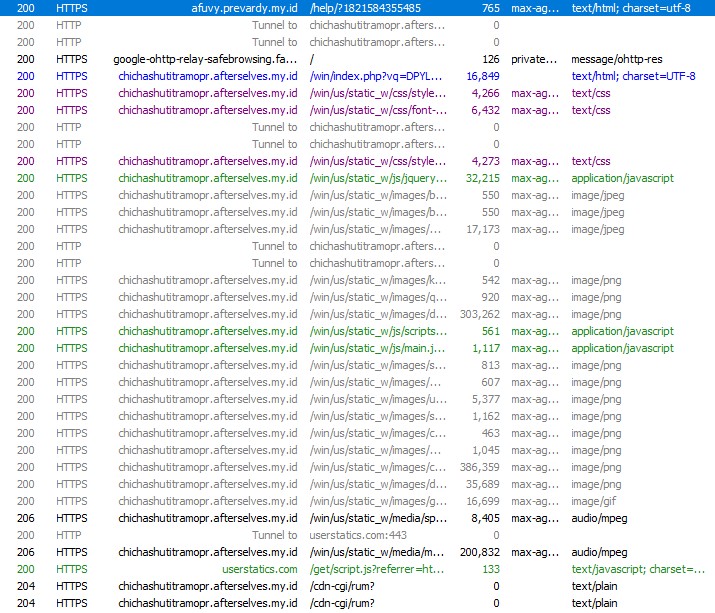
Using Fiddler with different exit locations, the server’s decision engine responses were captured. These responses clearly show country based blocking and proxy detection logic.

This confirms explicit detection of hosting providers, VPNs, and proxy infrastructure, even when traffic originates from France.

Decoy Redirect Behavior

If a visitor is classified as blocked or suspicious, the page redirects to:

hxxps://www.mediapart.fr

This serves multiple purposes:

  • Makes the site appear benign during casual inspection
  • Misleads analysts and automated scanners
  • Prevents security tools from accessing the real phishing content

Only approved traffic (likely residential French IPs, real browsers) proceeds to the malicious landing page.

Why France?

Several indicators strongly suggest that this phishing infrastructure is specifically oriented toward French users. The landing page content and interface are fully localized in French (fr_FR), indicating deliberate language targeting rather than generic reuse. Access behavior appears to follow a country based allow list model, where visitors from non-French regions are blocked or redirected. When access conditions are not met, the site redirects to a well-known French news outlet as a decoy, helping the infrastructure appear benign during casual checks. Additionally, all CAPTCHA elements and user interface text are presented entirely in French, reinforcing the assessment that this setup is designed to blend seamlessly into a French browsing context and evade suspicion among local users.

Infrastructure Observations

Both domains involved in the redirect chain were newly registered on 2026-01-06.

Detection And Hunting Notes

Defenders should look for:

  • Fake Cloudflare Turnstile pages without official Cloudflare JS
  • Hidden honeypot form fields
  • /collect_info.php or /dashboard.php?action=visit patterns
  • Conditional redirects to legitimate news sites
  • Different behavior between residential vs proxy IPs

Confirmed malicious phishing traffic distribution system.

This is not a Cloudflare protection page.
It is a selective traffic gate designed to evade analysis and deliver phishing content only to real victims.

Source

RMM Abuse in a Crypto Wallet Distribution Campaign

Analysis of a Suspicious “Eternl Desktop” MSI Installer Dropping LogMeIn Resolve

Overview

A professionally written announcement email titled “Eternl Desktop Is Live — Secure Execution for Atrium & Diffusion Participants” is currently circulating within the Cardano community.

At first glance, the email appears legitimate and well aligned with Cardano’s governance narrative promoting security, decentralization, and staking incentives. However, deeper inspection of the download mechanism and installer behavior raises significant red flags.

Email Social Engineering Highlights

The email leverages high trust messaging and ecosystem specific incentives.

The email strategically references Atrium and the Diffusion Staking Basket to establish legitimacy within the Cardano ecosystem, while also making enticing claims of NIGHT and ATMA token rewards to drive user interest. It reinforces trust by emphasizing “local-first, non-browser signing,” positioning the application as a more secure alternative to browser based wallets. The overall messaging maintains a polished, professional tone with no visible spelling or grammatical issues, lending credibility to the communication. This is capped with a strong, authoritative call to action “Eternl Desktop is where Cardano decisions are finalized.” designed to create urgency and frame the software as an essential tool for serious Cardano participants.

Download Infrastructure Red Flags

The provided download URL, hxxps://download[.]eternldesktop[.]network, raises immediate concerns, as the domain appears to be newly created and lacks any established historical reputation. There is no independent verification or announcement from official, well known Eternl communication channels to validate its legitimacy. Additionally, the software is distributed as a direct MSI installer without publicly available checksums, digital signature transparency, or formal release notes, preventing users from independently verifying the integrity and authenticity of the installer before execution.

New infrastructure + wallet software + MSI installer is a high-risk combination.

Domain Information

MSI Installer Analysis

File Name: Eternl.msi
File Size: 23.3MB
File Type: Windows Intaller (MSI)
Hash: 8fa4844e40669c1cb417d7cf923bf3e0
Title: LogMeIn Resolve Unattended
Comments: LogMeIn Resolve Unattended v1.30.0.636

Using CFF Explorer, I identified an embedded executable within the MSI file. I then used LessMSI to extract the executable for further analysis.

Extracted Executable File

File Name: unattended-updater.exe
File Type: PE32
File Size: 23.35MB
Original File Name: GoToResolveUnattendedUpdater.exe
File Hash: 3f317e17741122cd4ea30123ba241cd0
File Description: LogMeIn Resolve

During dynamic analysis, the sample was observed writing log files and JSON artifacts to disk.

It also tried to connect to below domains.

  • hxxt://ip.zscaler.com
  • hxxt://zerotrust.services.gotoresolve.com
  • hxxt://dumpster.console.gotoresolve.com/api/live
  • hxxt://sessions.console.gotoresolve.com
  • hxxt://devices-iot.console.gotoresolve.com/
  • hxxps://devices.console.gotoresolve.com/properties
  • hxxps://applet.console.gotoresolve.com
  • hxxps://custombranding.console.gotoresolve.com

The executable is placed within a uniquely identified folder created under “C:\Program Files (x86)\GoTo Resolve Unattended“. All executables, along with JSON configuration files related to the RMM setup, are stored in this directory.

The unattended.json configuration file enables unattended access, allowing a technician to connect to the remote system without the end user being physically present.

The application attempts to connect to hxxps://dumpster.console[.]gotoresolve[.]com/api/sendEventsV2 to transmit event information in JSON format. The connection fails, and the application retries the request multiple times.

Why This Is Concerning

This behavior is concerning because Remote Monitoring and Management (RMM) tools inherently provide powerful capabilities such as remote command execution, system monitoring, persistent access, and unattended control. While legitimate in enterprise environments, these features are frequently abused by threat actors during initial access operations, particularly in crypto themed malware campaigns and fake wallet or airdrop lures, where RMM software is leveraged to establish long-term post exploitation persistence on compromised systems.

While LogMeIn Resolve itself is a legitimate product, its silent delivery inside a wallet installer is not legitimate behavior.

Detection Summary

  • Flagged as PUA / Riskware
  • Behavioral indicators consistent with remote management agents
  • Not a known component of any official Eternl wallet release

Threat Assessment

IndicatorRisk
Newly registered download domainHigh
MSI installer for wallet softwareHigh
Drops RMM toolCritical
PUA classificationConfirmed

HIGHLY SUSPICIOUS – DO NOT INSTALL

This campaign exhibits multiple overlapping indicators consistent with supply-chain abuse and trojanized wallet distribution, combined with pre positioning techniques that leverage RMM tools to establish persistent access. Together, these behaviors suggest preparation for potential follow on activity, including future credential harvesting or cryptocurrency wallet compromise.

Indicators of Compromise (IOCs)

Domains:

  • download[.]eternldesktop[.]network

Files

  • etrnl.msi
  • unattended-updater.exe

Product Identifiers

  • LogMeIn Resolve
  • GoTo Resolve

Hash

  • 8fa4844e40669c1cb417d7cf923bf3e0
  • 3f317e17741122cd4ea30123ba241cd0

This campaign demonstrates how crypto governance narratives are increasingly weaponized to distribute covert access tooling under the guise of professional software.

Fake “Stable Genesis Airdrop” Campaign Delivering a Crypto Wallet Drainer via Phishing

In this analysis, I investigated a suspicious email titled “Stable Genesis Airdrop: Claim for Eligible Wallets Now Open”, which redirected victims to the domain:

hxxps://airdrop.stablereward[.]claims

Through sandbox execution, traffic inspection, and UI analysis, the campaign was confirmed to be a high confidence cryptocurrency phishing operation designed to steal wallet recovery phrases and authorize malicious blockchain transactions.

The site impersonates a fictitious project named “Stable”, abuses Cloudflare protection to evade automated detection, and deploys a fake wallet connection workflow that escalates into seed phrase harvesting.

Key Red Flags in Email Body

  • Claims gas fees are paid in USDT (technically incorrect for Ethereum)
  • Vague “Stable network” with no whitepaper, GitHub, or official domain
  • No verifiable project presence on CoinGecko or CoinMarketCap
  • Redirects to a non-standard .claims TLD

Domain and Infrastructure Analysis

Newly registered domains + crypto airdrops = classic scam pattern

WHOIS records show that the domain stablereward[.]claims was registered very recently on December 8, 2025, with an update made on December 17, 2025. The domain uses Cloudflare name servers.

Initial Page

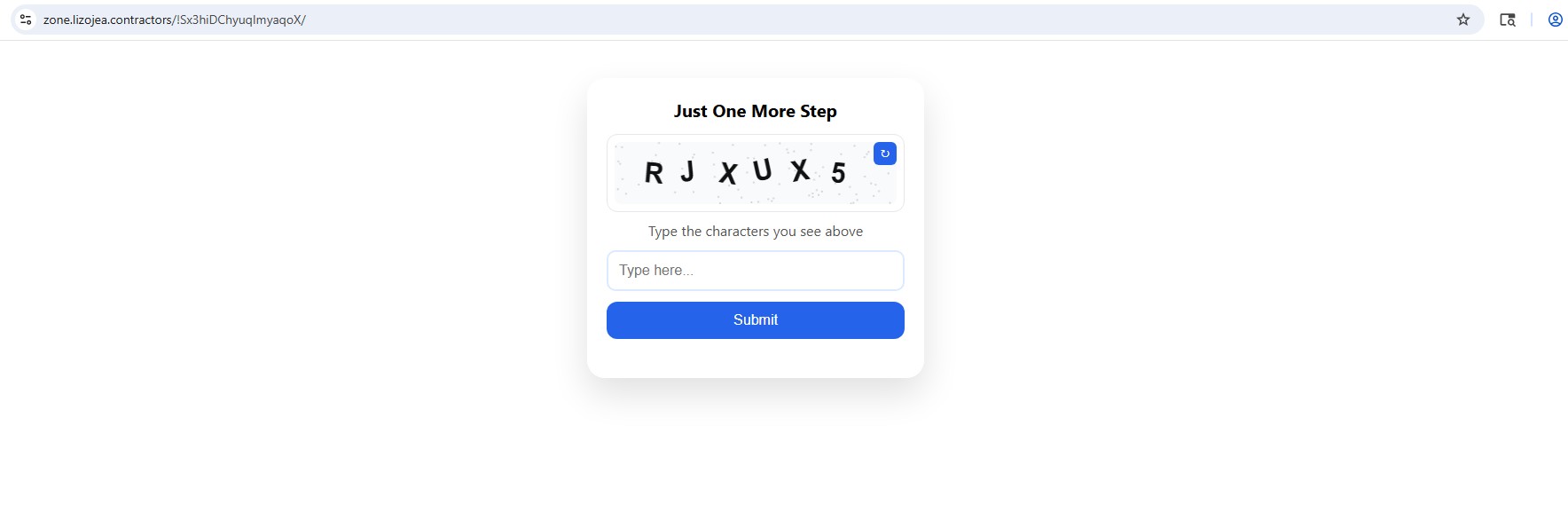
The presence of a Cloudflare “Verify you are human” gate indicates an intentional attempt to restrict automated access, as it effectively blocks crawlers and many security scanners from analyzing the site’s content. This technique is commonly used by malicious or suspicious sites to evade sandbox detection and fingerprinting, ensuring that payloads or scam pages are only served to real users while analysis environments are filtered out.

Main Landing Page

The site displays fabricated statistics such as 142,847 eligible wallets and a 50 million token allocation to create a false sense of scale and legitimacy. These exaggerated numbers are paired with a prominent “Connect Wallet” call-to-action designed to lure users into authorizing wallet access

Wallet Interaction And Credential Harvesting

It lists:

  • MetaMask (recommended)
  • Trust Wallet
  • Coinbase Wallet
  • Ledger
  • Trezor
  • Phantom
  • OKX
  • Rabby
  • Uniswap Wallet

The most critical malicious behavior is observed when the site prompts users to “Import Wallet, Enter your 12-word recovery phrase” instead of invoking a legitimate wallet extension.

JavaScript Anti-Analysis Techniques

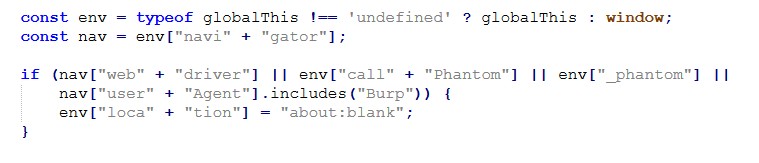
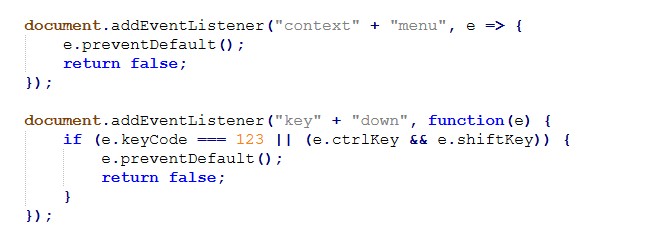
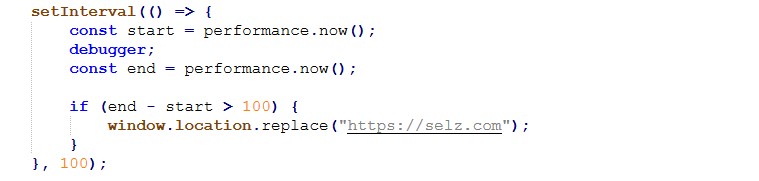
The observed JavaScript snippet is a deliberate anti-analysis technique used to disrupt inspection and automated execution. By invoking the debugger statement, the script forces execution to pause whenever browser developer tools are open, effectively halting code flow during analysis. This behavior can break automated sandboxes and dynamic analysis environments, compelling security analysts to manually bypass or modify the script before further investigation can continue.

Network Traffic Analysis

The site silently connects to multiple blockchain RPCs:

  • rpc.ankr[.]com/bsc
  • bsc-dataseed*[.]bnbchain.org
  • binance[.]nodereal[.]io

These indicators suggest that the operation is designed with multi-chain capability, targeting both Ethereum and Binance Smart Chain (BSC) users to maximize reach. Such setups typically perform wallet balance enumeration, NFT discovery, and malicious token approval requests that enable silent asset draining. The overall behavior closely matches well-known wallet drainer kits.

Attack Chain Summary

Confirmed Scam

All observed indicators clearly confirm malicious intent. The request for a wallet recovery phrase is explicitly malicious, the newly registered domain presents a high risk profile, and the so called project shows no verifiable legitimacy. On chain interaction analysis indicates RPC based draining behavior, while the presence of anti debugging JavaScript further reinforces deliberate evasion of analysis.

Indicators of Compromise – Domains

  • airdrop.stablereward[.]claims
  • stablereward[.]claims